
When you’re looking for a flatmate in Nigeria—whether you’re a corps member posted to Abuja, a young professional in Lekki, or a student near Unilag—the agreement you sign matters. But most people focus on landlord red flags and forget that the flatmate themselves can be a source of problems. If you’re searching for "red flags flatmate agreement Nigeria", you already know that a bad flatmate can turn your shared living into a nightmare. Let’s walk through the flatmate-specific red flags you must not ignore, and end with a simple one-page contract checklist.
Reader scenario: Imagine you’re an NYSC member moving to Abuja. You find a room in Gwarinpa through a WhatsApp group. The person claiming to be the flatmate says move-in is “next week,” asks for a deposit immediately, but won’t share a clear date or any ID. Sounds familiar? That’s just one red flag.
Vague Move-In Date and Upfront Payment Demands
A legitimate flatmate will give you a concrete move-in date and stick to it. If they say “soon,” “next month maybe,” or “when the room is ready,” that’s a red flag. Scammers use vague timelines to collect deposits from multiple people without ever delivering a room. In Lagos and Abuja, where rent is often paid annually or upfront, losing even a small deposit hurts. Always get a specific date in writing. If they push for a payment before you’ve seen the room or signed anything, walk away. Genuine flatmates understand that you need to plan your NYSC relocation, job start date, or school resumption.
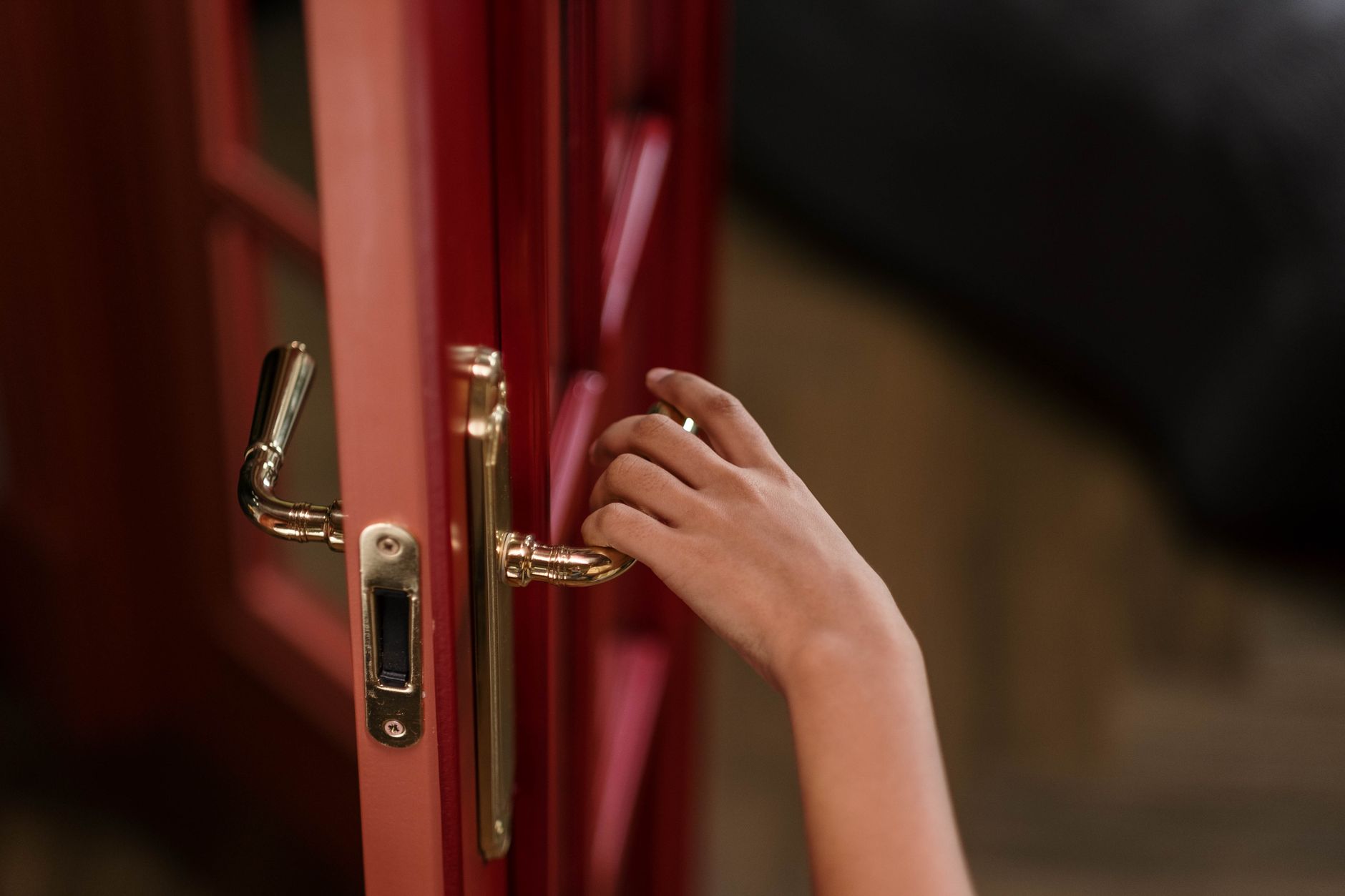
Refusal to Provide Identification
In Nigeria, it’s normal to ask for a form of ID before sharing a home. A flatmate who refuses to show a valid ID—driver’s license, national ID, voter’s card, or international passport—is hiding something. It doesn’t have to be a full copy; a quick video call where they show the ID or even a photo with details (face and ID side-by-side) can work. If they make excuses like “I lost it” or “I’m not comfortable,” consider it a warning sign. You’re sharing a space, utilities, and maybe even food; trust starts with basic transparency.
No Video Call or Physical Viewing
If a potential flatmate refuses to do a video call or let you see the room physically (or send a trusted friend), that’s a major red flag. Scammers often use stolen photos from Twitter or Facebook. Insist on a live video walkthrough of the room, common areas, kitchen, and bathroom. Check if the apartment has a prepaid meter or generator, and ask about water supply. A real flatmate will happily show you the space because they want you to feel comfortable. If they say “I’m too busy” or “just come when you move in,” you’re likely dealing with a scammer.
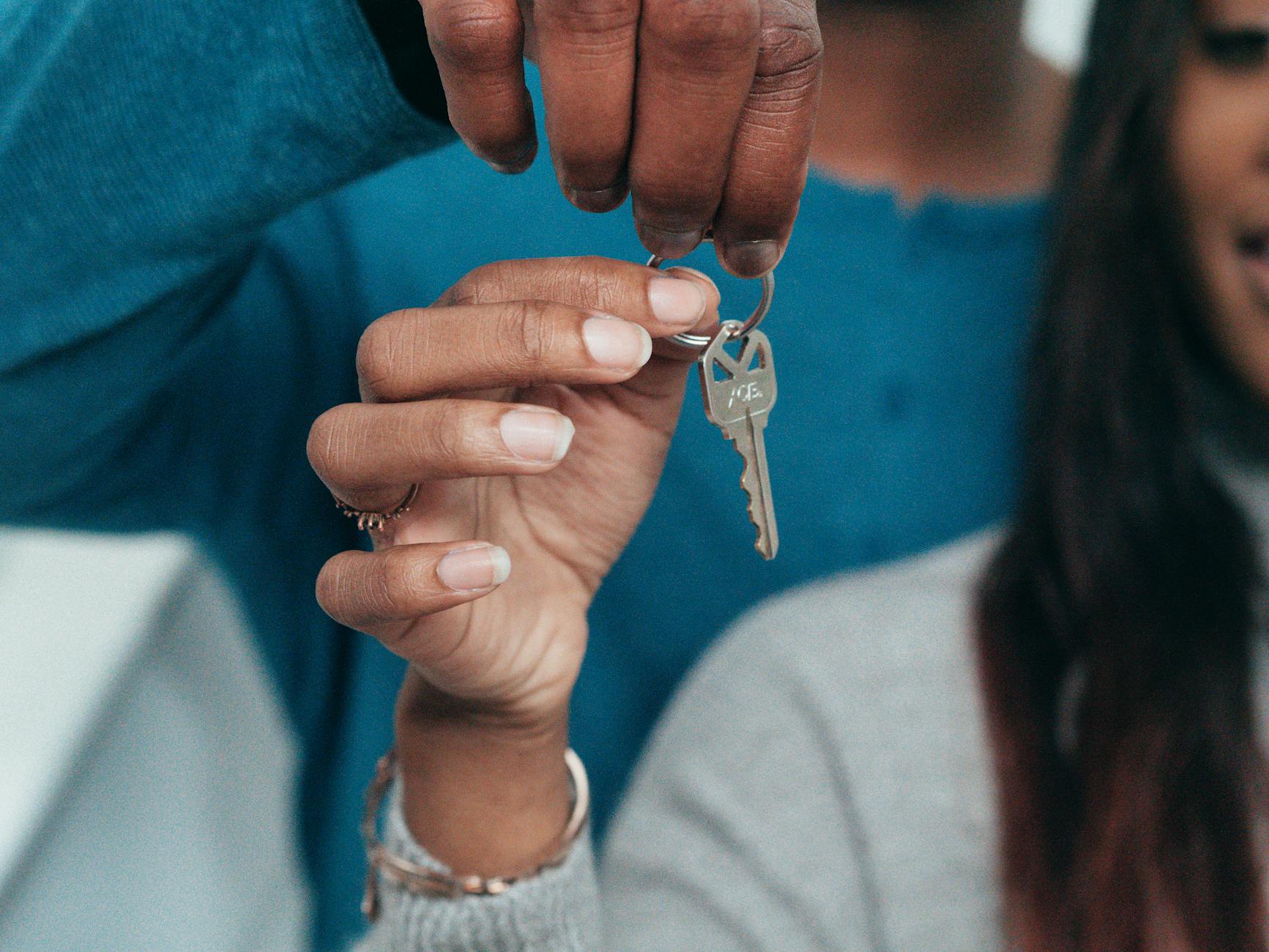
Unwillingness to Sign a Written Agreement
Many flatmate arrangements in Nigeria are informal, but having a simple written agreement protects both of you. A flatmate who says “we don’t need an agreement, we’re like family” or “it’s just a verbal thing” might be trying to avoid accountability. You need a written document that covers:
- Rent split (who pays what and when)
- Service charge and caution fee details
- Utility bills (NEPA/PHCN, prepaid meter, generator fuel)
- Water supply and who handles it
- Visitors policy—overnight, frequency, and notice
- Estate rules or landlord consent (if needed)
- Notice period for moving out
If they refuse to sign even a one-page agreement, that’s a deal-breaker. This is practical information, not legal advice, so check your agreement and speak with a qualified Nigerian lawyer where needed.
One-Page Flatmate Agreement Checklist
Use this checklist to draft a simple one-page contract before moving in together. You don’t need a lawyer for this, but a clear document prevents misunderstandings.
- Parties: Full names and phone numbers of both flatmates.
- Property Address: Exact location, including estate name if applicable.
- Move-In Date: Specific day, month, and year.
- Rent Contribution: Amount per month/quarter/year, due date, and method of payment.
- Utilities Split: How electricity (NEPA/PHCN, prepaid meter), water, generator fuel, and internet are shared.
- Security Deposit: Amount paid, what it covers, and conditions for refund.
- House Rules: Visitors, noise, cleaning schedule, use of common areas.
- Maintenance: Who reports issues to the landlord and how costs are shared.
- Termination: Notice period (e.g., 30 days) and conditions for early exit.
- Signature: Both parties sign and date.
If you’re searching for a flatmate online—whether through WhatsApp groups, Twitter, or a dedicated app like Flatmate—always request a signed agreement before paying anything. You can download Flatmate to find, screen, and message potential flatmates with ease, and then use this checklist to seal the deal.
The bottom line: A flatmate agreement in Nigeria should never feel rushed or one-sided. Watch for vague dates, no ID, no video call, and refusal to put things in writing. A simple one-page contract that covers rent, bills, visitors, and move-out terms protects your peace of mind and your wallet. Trust your instincts—if something feels off, it probably is.

