
If you are searching for a flatmate agreement template Nigeria renters can actually use, you probably already suspect what experience confirms: most disputes between flatmates start with terms nobody wrote down. A written agreement is not a sign of distrust. It is a way of making the rules of the flat visible before money, tiredness, and friendship get tangled together.
This guide walks through what a solid agreement covers, how to put one in writing yourselves in an evening, and the mistakes that quietly make agreements useless. It is practical information, not legal advice; for complicated situations, ask a qualified Nigerian lawyer to look over what you have written.
Why You Need a Flatmate Agreement in Nigeria
Picture a corps member posted to Abuja who moves in with a colleague's friend, or a junior analyst sharing a two-bedroom near Yaba. Everything is friendly until the NEPA bill lands, the prepaid meter runs out at midnight, or one person's partner starts staying over most nights of the week. Without written terms, every disagreement becomes memory against memory, and the person with the stronger personality usually wins.
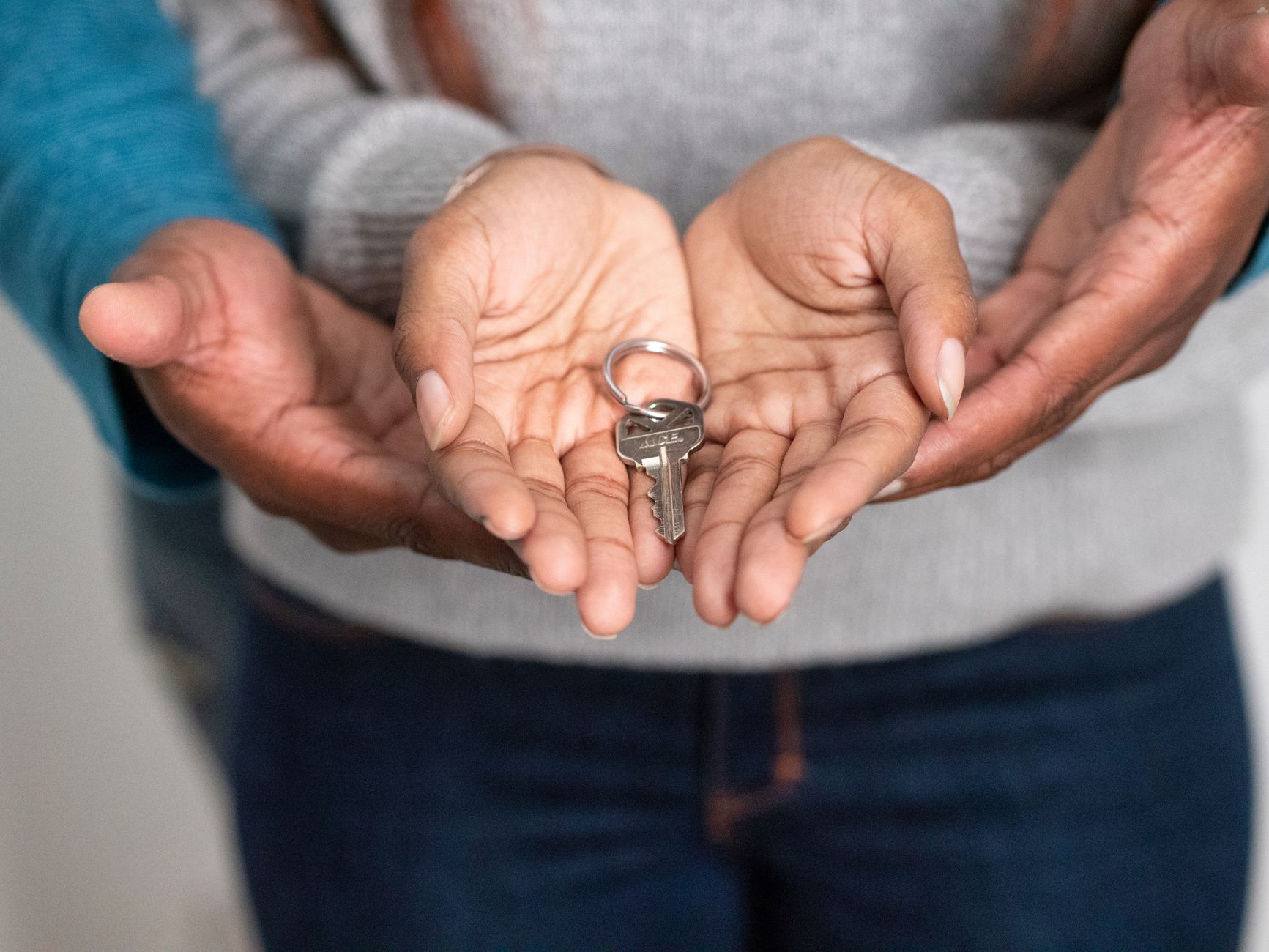
A written agreement also protects you when circumstances change suddenly. A flatmate loses a job and stops contributing to bills, or gets transferred and leaves the city with little warning. If the payment schedule, notice expectations, and consequences were agreed in writing, the difficult conversation is shorter and calmer, because you are reading a document together instead of arguing about who promised what.
Key Clauses to Include in Your Flatmate Agreement
Whatever format your agreement takes, the substance matters far more than the paperwork. Cover the areas below in specific terms and you will have addressed the most frequent flashpoints in Nigerian shared flats.
- Rent split and payment dates. State each person's share, the date it is due, who hands it to the landlord, agent, or caretaker, and how you will keep proof of payment, such as transfer receipts in a shared thread.
- Utilities and power. Cover NEPA/PHCN bills or prepaid meter top-ups, generator or inverter fuel, water, and internet. Splits do not have to be equal — if one person works from home and uses far more data, you might agree on a weighted share. Write the split for each utility rather than assuming.
- Service charge and caution fee. Note who paid what at the start and how refunds or deductions will be handled when someone leaves. Ask the landlord or agent what each charge covers, when it recurs, and where those terms are written, then record the answers.
- Guests and visitors. Agree how overnight guests work, how often is reasonable, and what estate rules or security arrangements apply to late visitors. This is the clause people most regret skipping.
- Chores and shared spaces. Who cleans the bathroom, kitchen, and sitting room, and how often. If you would rather pay a cleaner, agree how that cost is shared.
- Exit and notice. How much written notice a departing flatmate gives, what happens with finding a replacement, whether the landlord's consent is needed for the newcomer, and how outstanding bills are settled before keys are handed back.
Every clause should answer a question with a name, a number you both chose, or a date. Vague lines like "we will contribute to bills" are where future arguments hide.
How to Put Your Agreement in Writing
You do not need a lawyer's letterhead or a stamped form to start. Write your clauses in plain English in a shared note or document both of you can access, read it aloud together once, then print two copies, sign, and date them. Keep one copy each, ideally alongside your tenancy papers, so nobody controls the only version.

Review the agreement whenever life changes — a new job with different hours, a partner effectively moving in, a rent review from the landlord. Rewrite the affected clause and sign again. And because tenancy questions can sit underneath flatmate questions, remember the earlier caveat: this is practical guidance, not legal advice, and a qualified Nigerian lawyer is the right person for consent, subletting, or tenancy disputes.
Common Mistakes That Make Agreements Useless
The most common failure is not having the document at all — relying on a warm conversation from viewing day that both people remember differently six months later. The second is writing one and never looking at it again.
- Vague wording. "Reasonable notice" and "help with bills" mean different things to different people. Use dates, shares, and names.
- Skipping the exit clause. Departures cause more disputes than daily living. Agree notice and settlement terms while you still like each other.
- One person holding the only copy. Signed terms that only one flatmate can produce are barely better than no terms.
- Never updating it. An agreement describing a life you no longer live will be ignored, and then everything else in it gets ignored too.
Agree Before You Move In, Not After
The easiest time to raise an agreement is while you are still choosing each other. When you screen a potential flatmate, talk through rent timing, visitors, power costs, and notice expectations — how they react to that conversation tells you a lot about how they will handle the flat itself.
A dedicated app helps you have those conversations early and in one place. On Flatmate you can search by area and budget, compare profiles, and message potential flatmates about exactly these questions before any money moves. Download Flatmate to run your search and screening in one place instead of across scattered group chats and reposted threads.
Bottom Line
A flatmate agreement works because of the specifics you write into it: exact shares, dates, notice periods you both chose, and house rules you actually discussed. Put yours in writing before or immediately after moving in, sign two copies, and update it when life changes. It is an hour of admin that saves months of tension in a shared flat.